NDU-K MAINSTREAMS PRODUCTIVITY TO ENHANCE INSTITUTIONAL EFFICIENCY AND SERVICE DELIVERY
Institutional productivity, operational efficiency and a performance-driven work culture are essential to effective service delivery, prudent resource management and the realisation of organisational objectives.
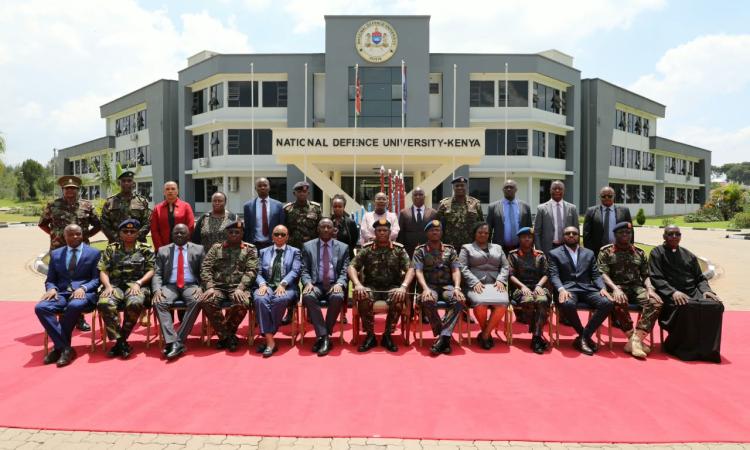
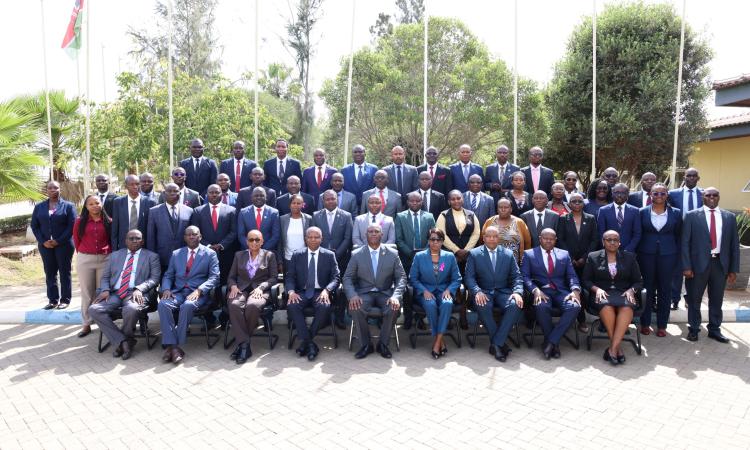
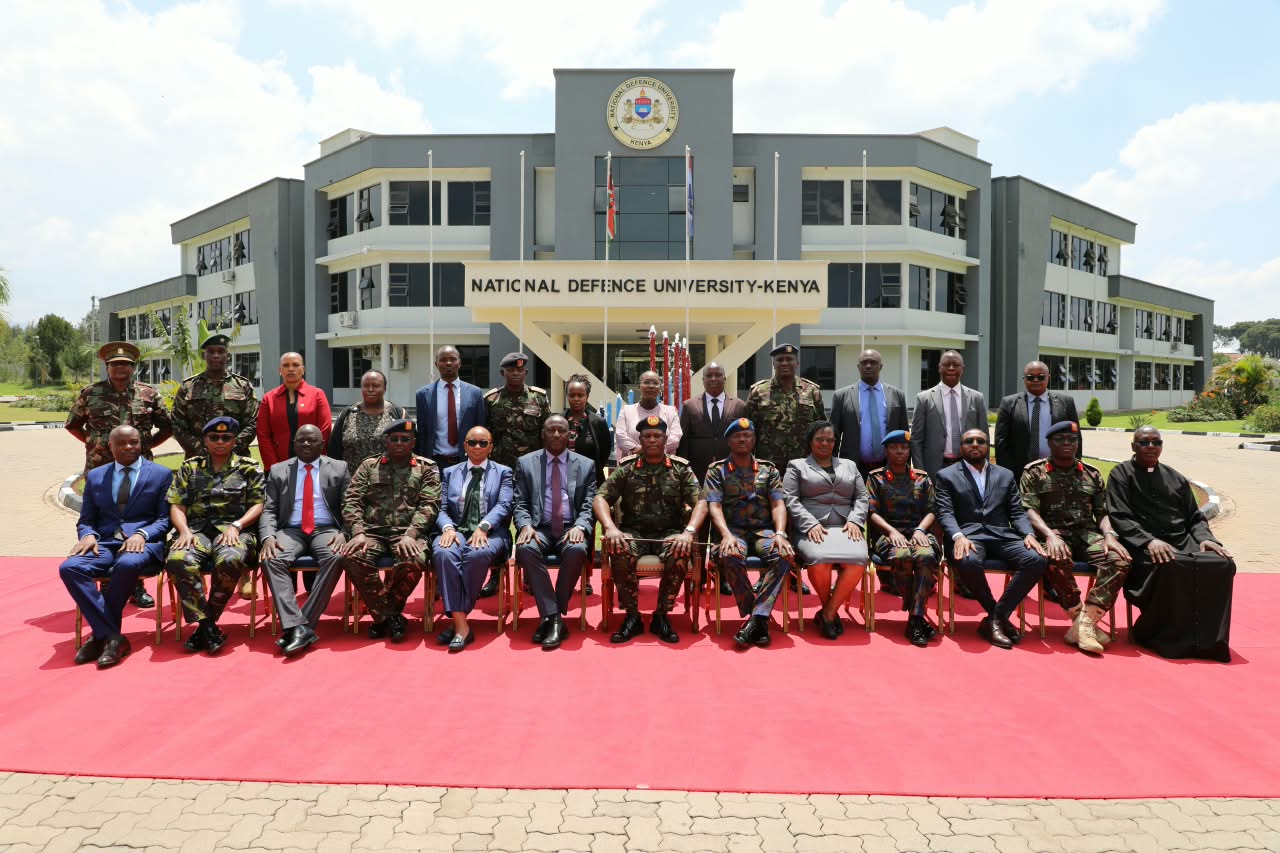
In pursuit of these priorities, the National Defence University-Kenya (NDU-K), in collaboration with the National Productivity and Competitiveness Centre (NPCC), conducted a three-day Productivity Mainstreaming Training aimed at strengthening institutional capacity for productivity measurement, performance management and continuous improvement.
The training provided a platform for participants to explore productivity management, emerging issues and best practices with particular emphasis on productivity measurement and mainstreaming within the public sector. Discussions examined the evolving Government productivity measurement framework for the current reporting cycle, equipping participants with an understanding of the revised requirements and their implications for institutional planning, performance measurement and accountability.
A key focus of the engagement was the practical development, realignment, review and validation of productivity indicators aligned with the University's mandate and strategic objectives. Participants also examined institutional processes, resource utilisation and performance drivers to identify opportunities for improving efficiency, strengthening operational effectiveness and maximising institutional value. The exercise is expected to enhance evidence-based decision-making and strengthen the University's capacity to measure, monitor and improve performance across its functional areas.
Speaking during the training, the Vice-Chancellor, Lieutenant General David Tarus, described productivity as a strategic imperative in advancing the University's institutional mandate. He emphasised the need to continuously improve efficiency, optimise resources and enhance service delivery in an increasingly dynamic and resource-constrained environment. He called on staff to embrace innovation, accountability and a results-oriented approach, ensuring that productivity is embedded in institutional planning, resource allocation and performance management.
The training was also graced by the NPCC Secretary, Dr. Nahashon Moitaleel, who underscored the importance of institutional productivity in achieving organisational mandates. He reaffirmed NPCC's commitment to supporting institutions through facilitation, technical guidance and capacity-building initiatives to strengthen productivity and enhance organisational performance.
In his closing remarks, the Vice-Chancellor challenged participants to translate the knowledge and skills acquired into measurable institutional improvements, noting that productivity should be reflected not merely in the achievement of targets but in the value created through efficient processes, responsible resource utilisation and improved service delivery. He urged staff to take ownership of the agreed productivity indicators, champion their implementation within their respective functional areas and use performance data to inform decision-making and drive continuous improvement. He further reaffirmed Management's commitment to providing the necessary support for effective implementation and strengthening institutional performance management systems.
The engagement reinforces NDU-K's commitment to building an efficient, accountable and performance-driven institution. By embedding productivity measurement and continuous improvement into its operations, the University seeks to optimise institutional resources, strengthen organisational effectiveness and enhance its capacity to deliver on its mandate of developing strategic leaders and advancing knowledge in defence, security and strategic studies.