NDU-K Strengthens Regional Defence and Strategic Studies Leadership Through Zimbabwean Educational Visit
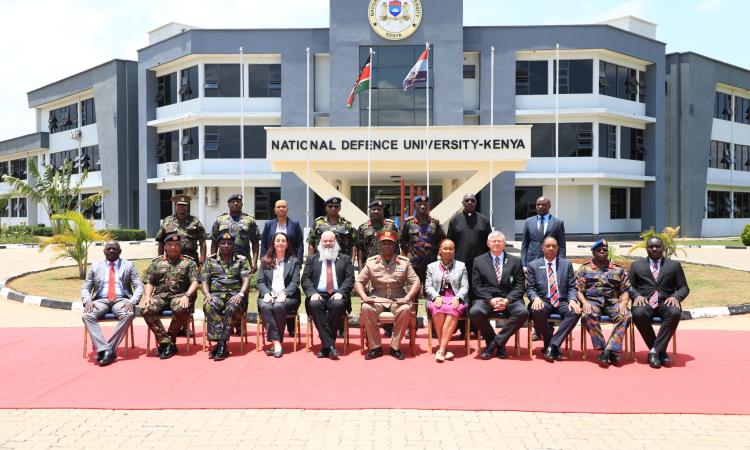
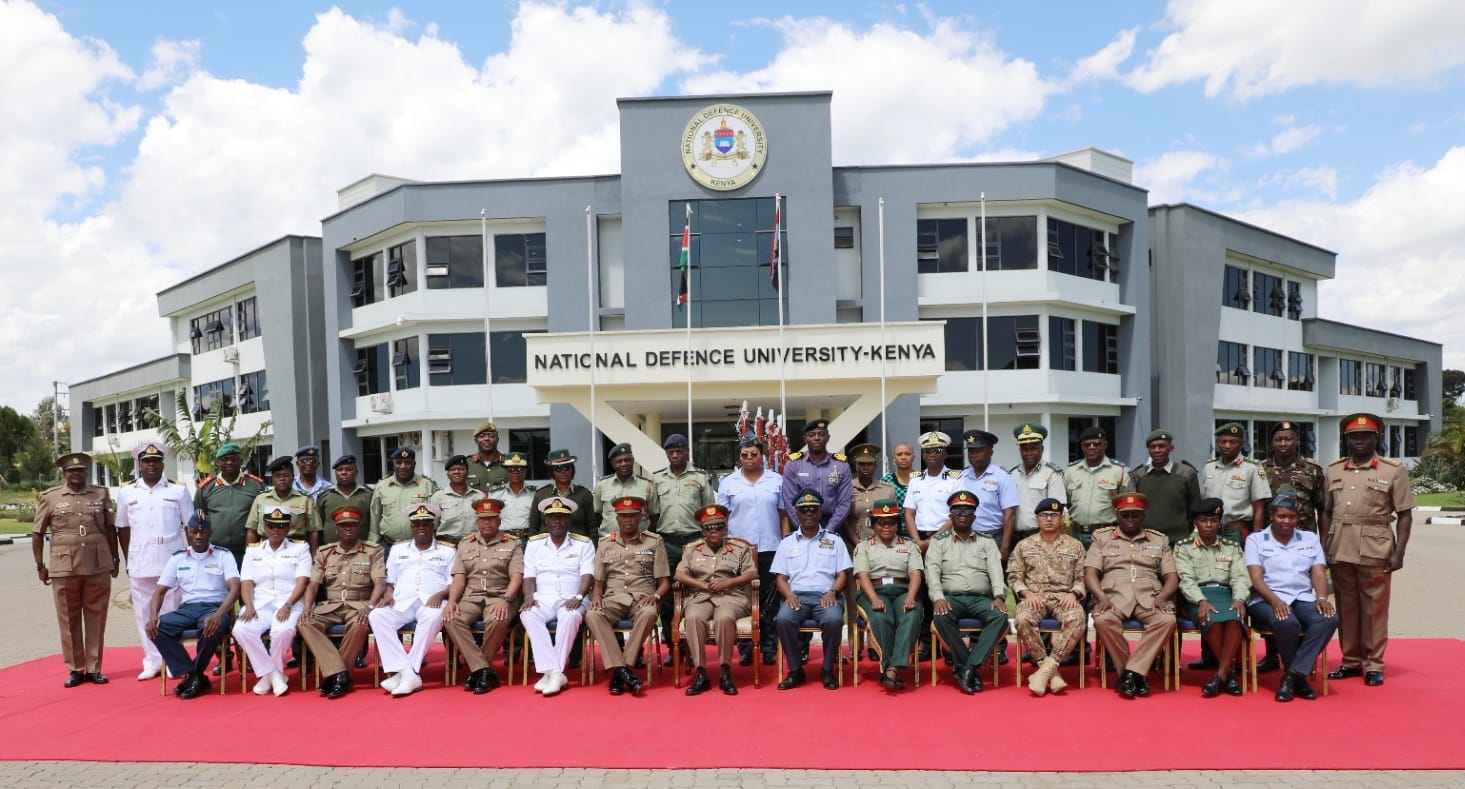
The National Defence University- Kenya (NDU-K) reinforced its position as a regional hub for defence and strategic studies during an educational visit by the Zimbabwe National Defence University (ZNDU), aimed at promoting academic exchange, enhancing cooperation in defence and security studies, and deepening strategic partnerships.
The Zimbabwe National Defence University delegation, led by Air Commodore Elisha Farai Masakdza, was received at the University Seat by Major General Joyce Sitienei, Deputy Vice-Chancellor in charge of the Centre for Security and Strategic Studies, on behalf of the Vice-Chancellor.
The visit underscored the longstanding relationship between Kenya and Zimbabwe, founded on friendship, cooperation, and mutual respect, and strengthened through defence training and professional military education exchange programmes. Both countries share a rich legacy of solidarity, a common pursuit of peace and development, and a shared commitment to advancing regional stability and prosperity across Africa. This enduring partnership continues to foster
collaboration in defence education, strategic studies, research, and leadership development.
Welcoming the delegation, Maj Gen Sitienei reaffirmed the strong and enduring ties between the two countries and emphasized the importance of developing leaders equipped with strategic foresight, critical thinking skills, and collaborative approaches to problem-solving in order to effectively address contemporary and emerging security challenges.
She further highlighted NDU-K's growing reputation as a centre of excellence in defence and strategic studies, noting that the University continues to distinguish itself as a leading institution in defence education, strategic research, and thought leadership at both the regional and international levels.
The educational visit provided a valuable platform for both institutions to exchange ideas and share experiences on their respective capabilities, operational frameworks, academic programmes, and strategic priorities. Discussions focused on enhancing mutual understanding of how each university contributes to addressing contemporary and emerging security challenges at the national, regional, and global levels.
Through presentations and interactive sessions, the delegation gained deeper insights into NDU-K’s approach to professional military education, strategic research, leadership development, and national security management.
The visit concluded with a reaffirmation of the commitment by both NDU-K and ZNDU to strengthen institutional collaboration, foster knowledge exchange, and develop future strategic leaders capable of responding effectively to the increasingly complex security challenges of the 21st century.