STRENGTHENING RESEARCH AND SECURITY COLLABORATION
National Defence University-Kenya Hosts Mashariki Research and Policy Centre.
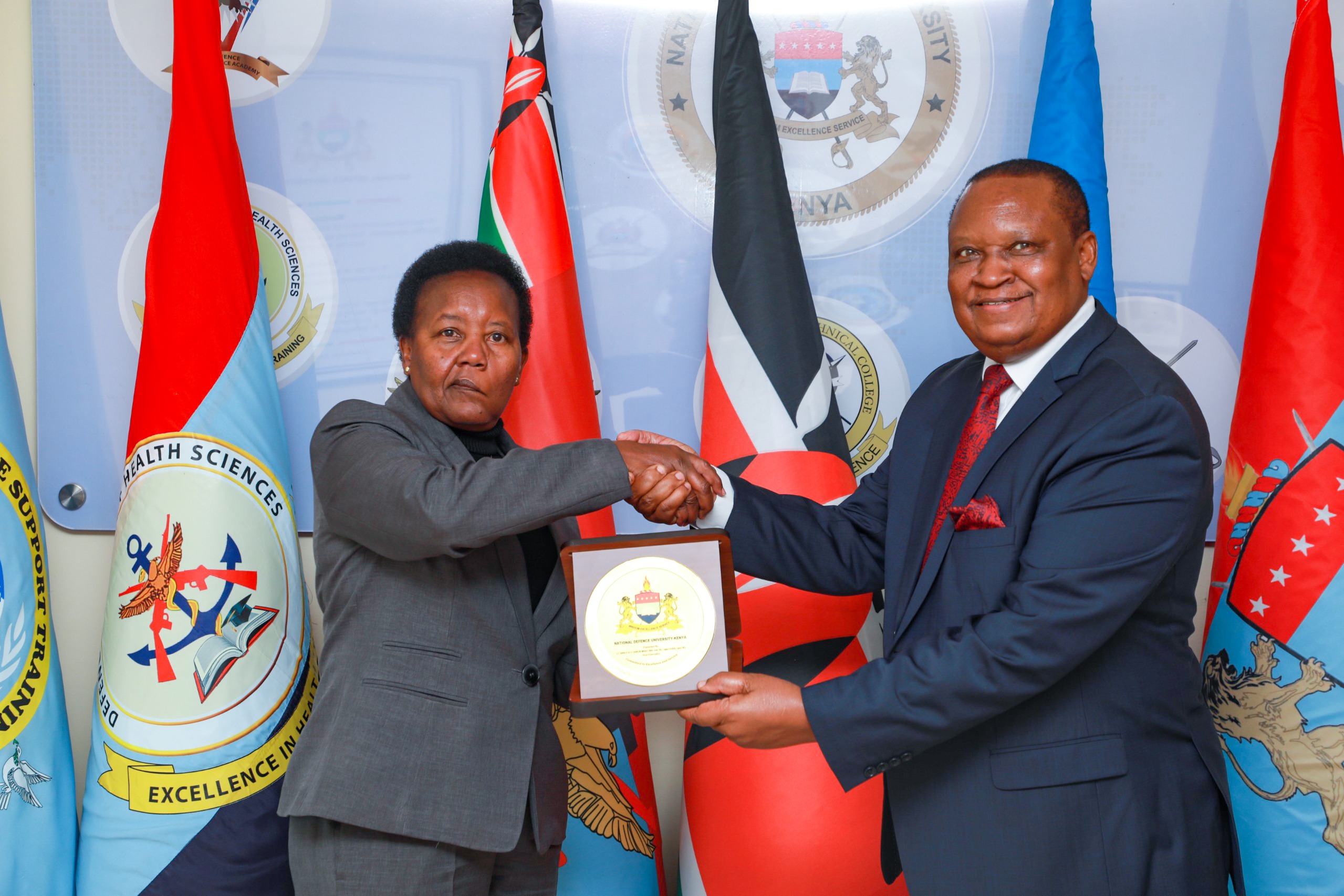
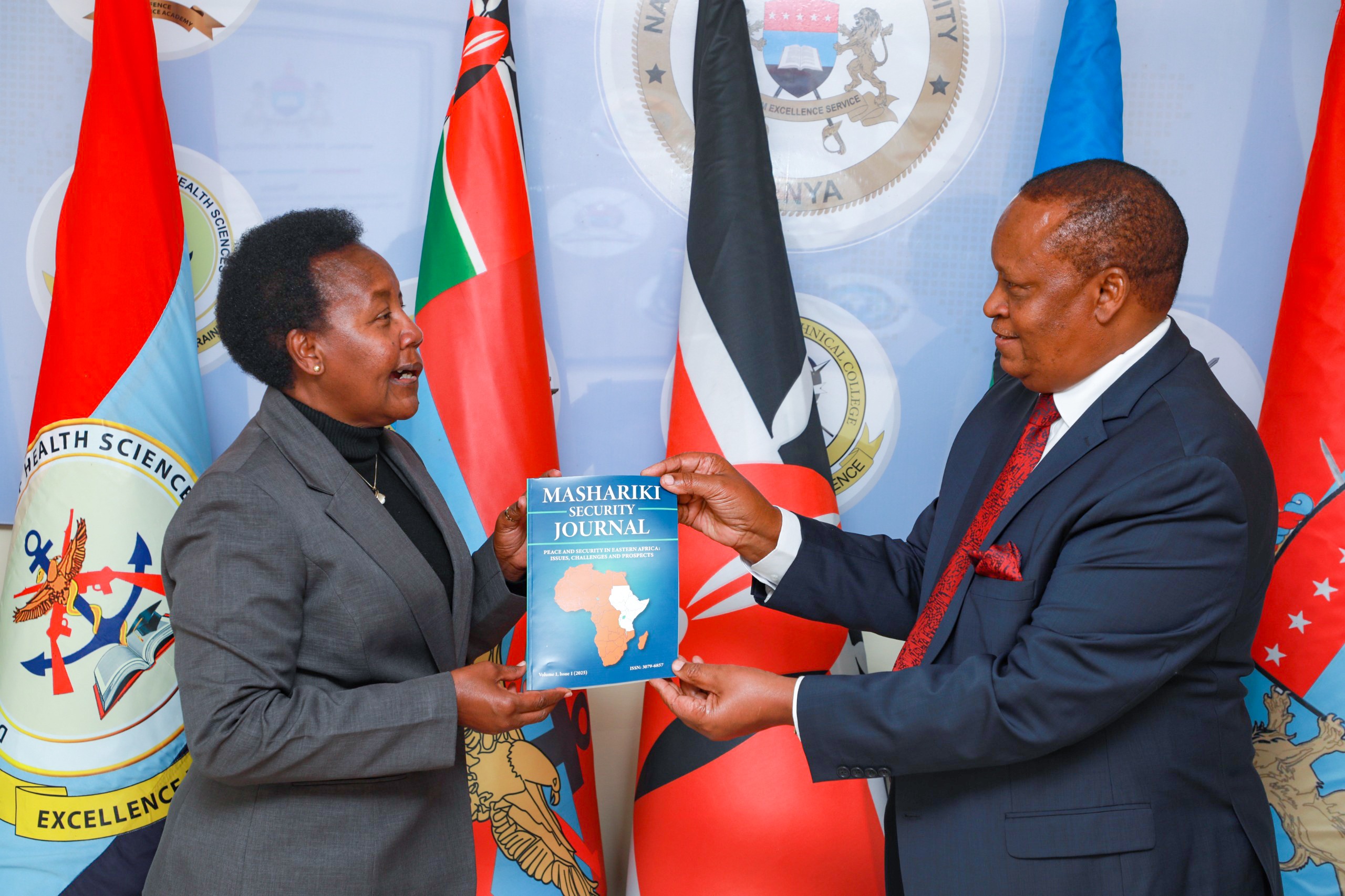
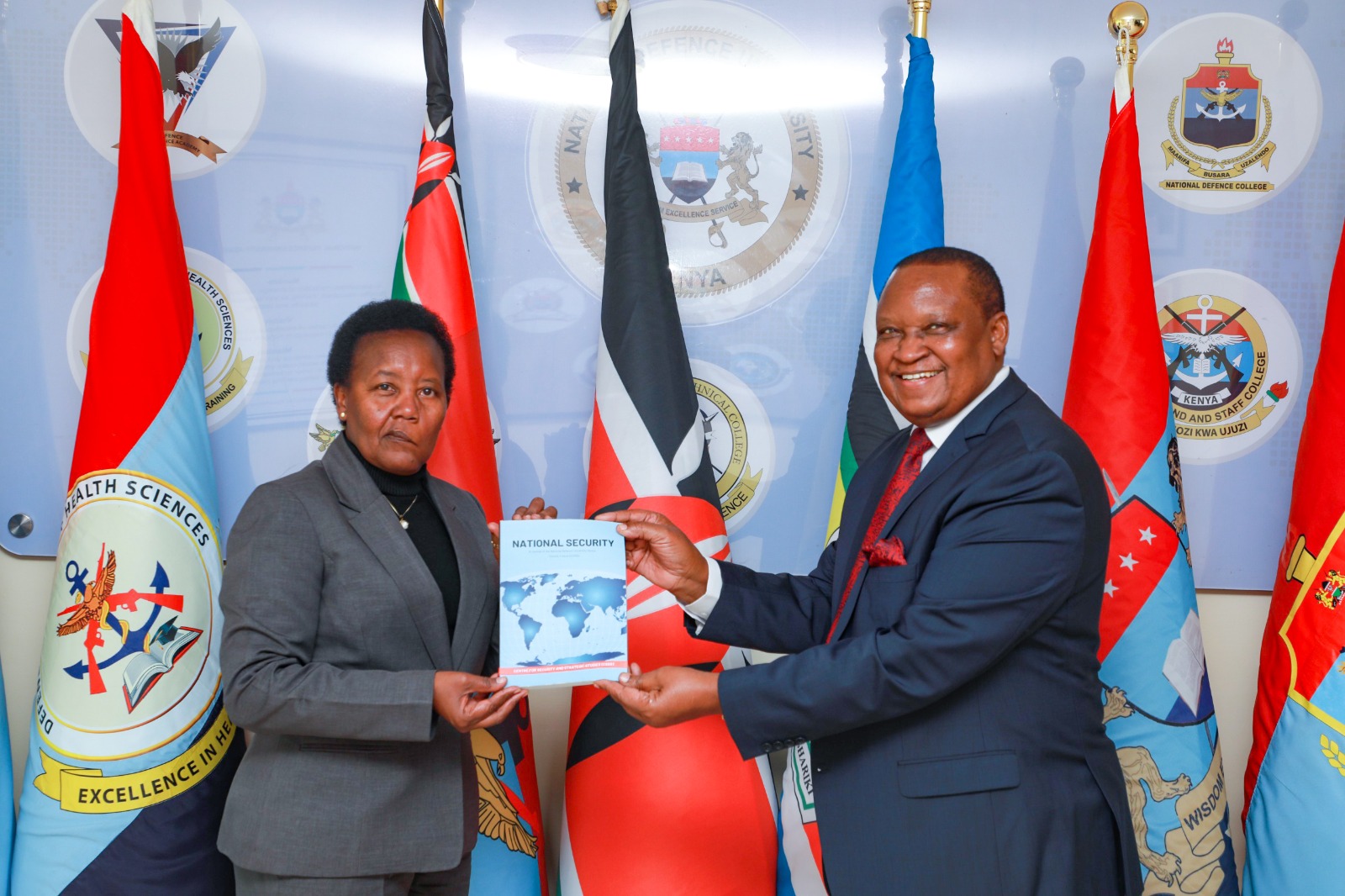
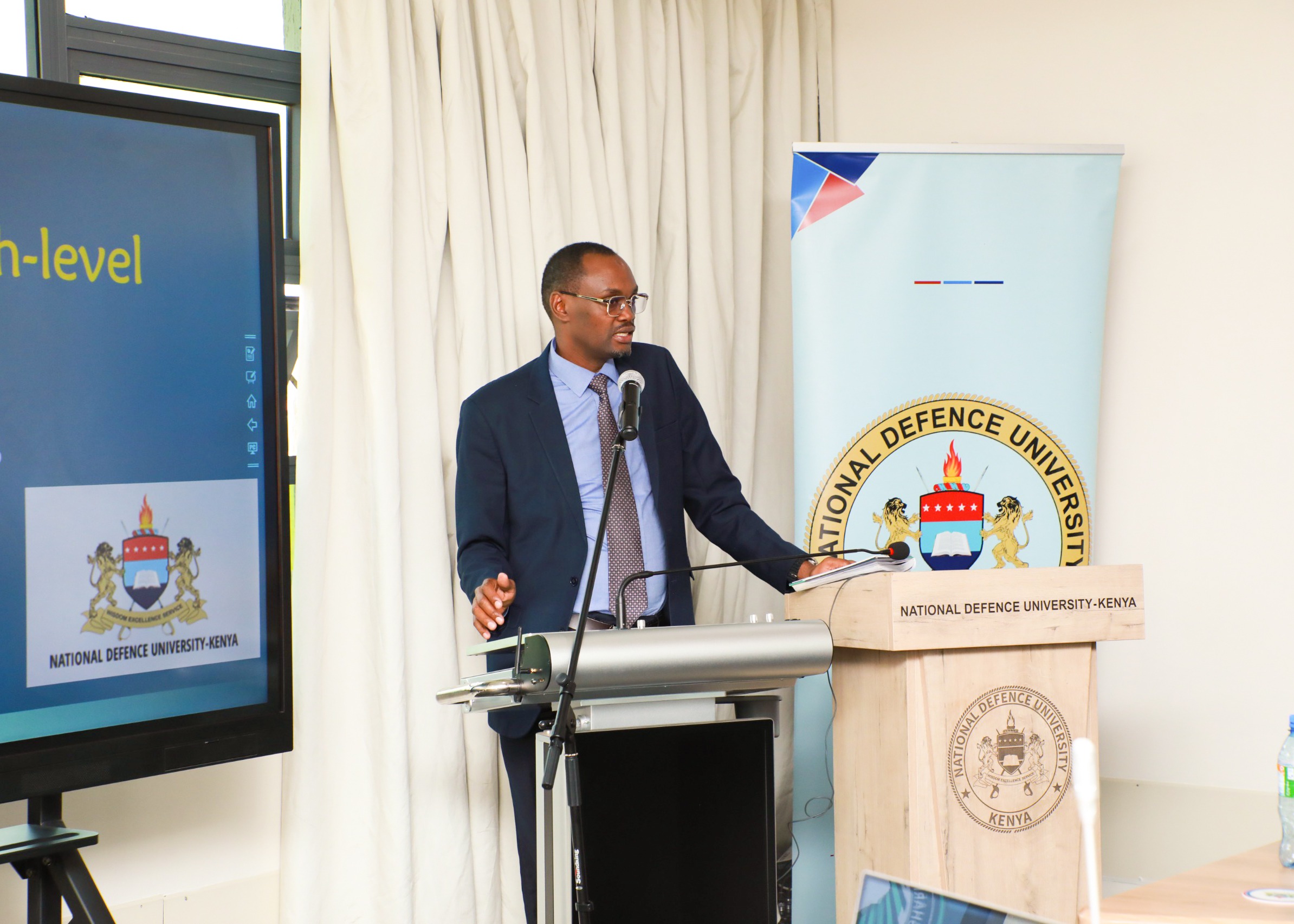
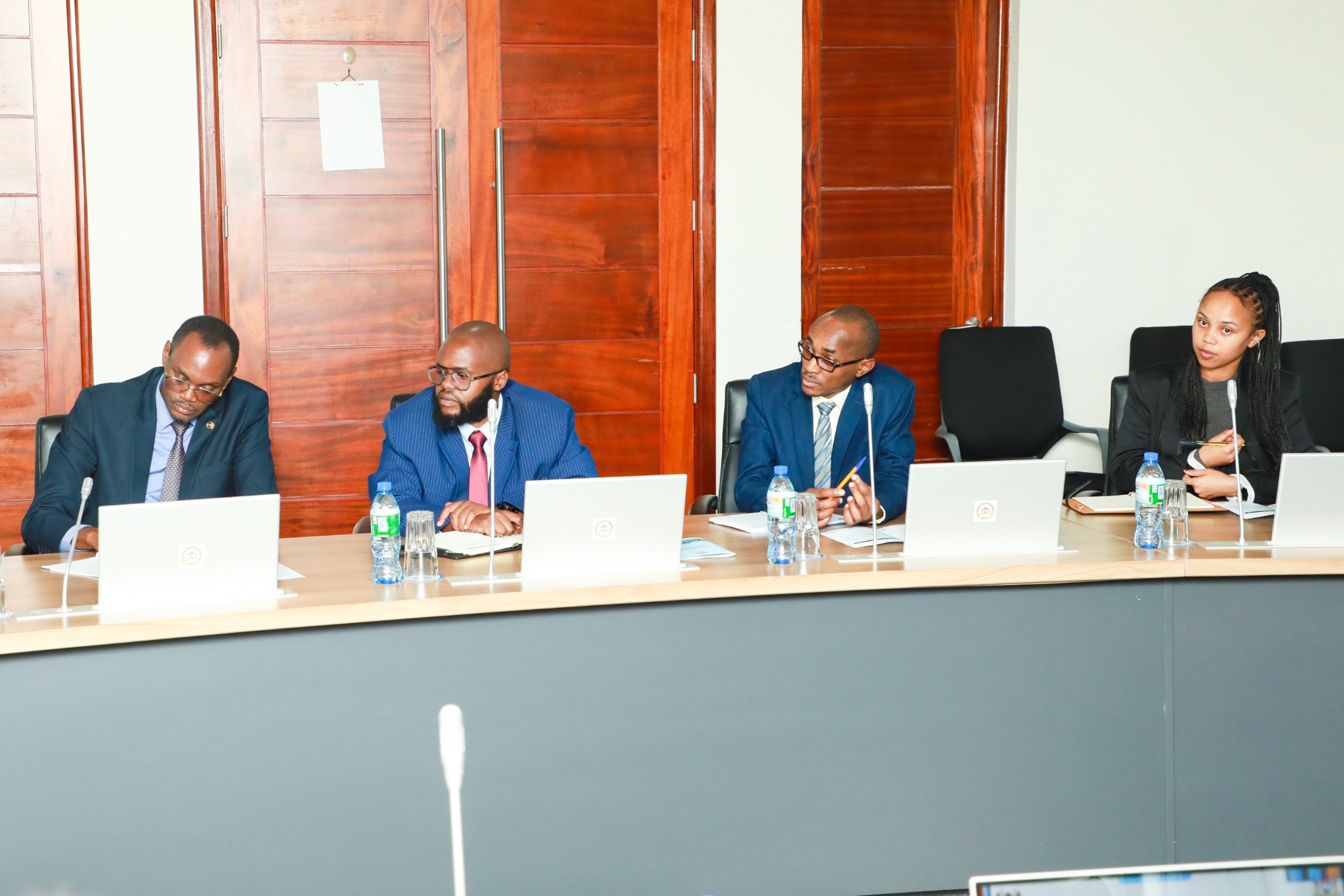
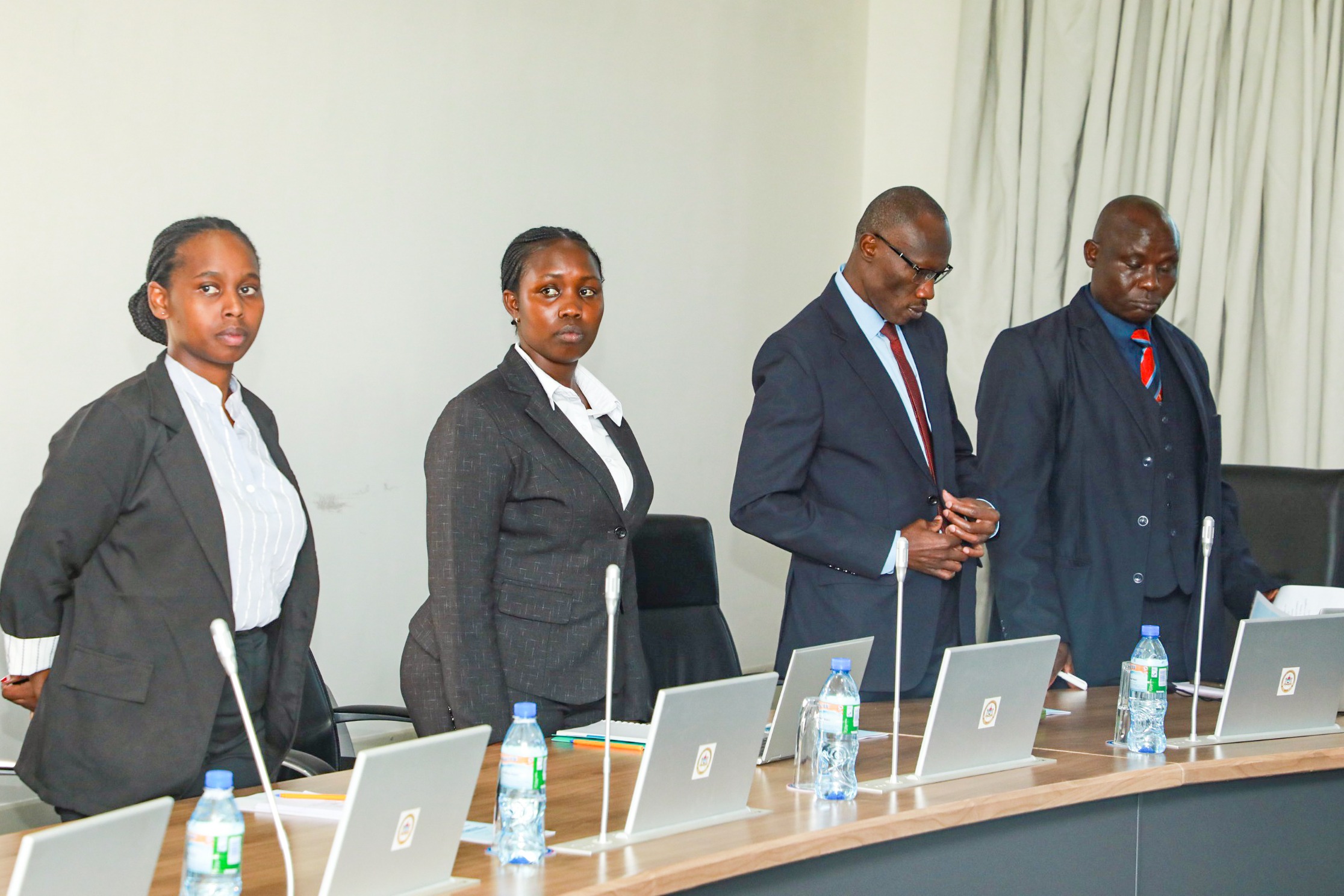
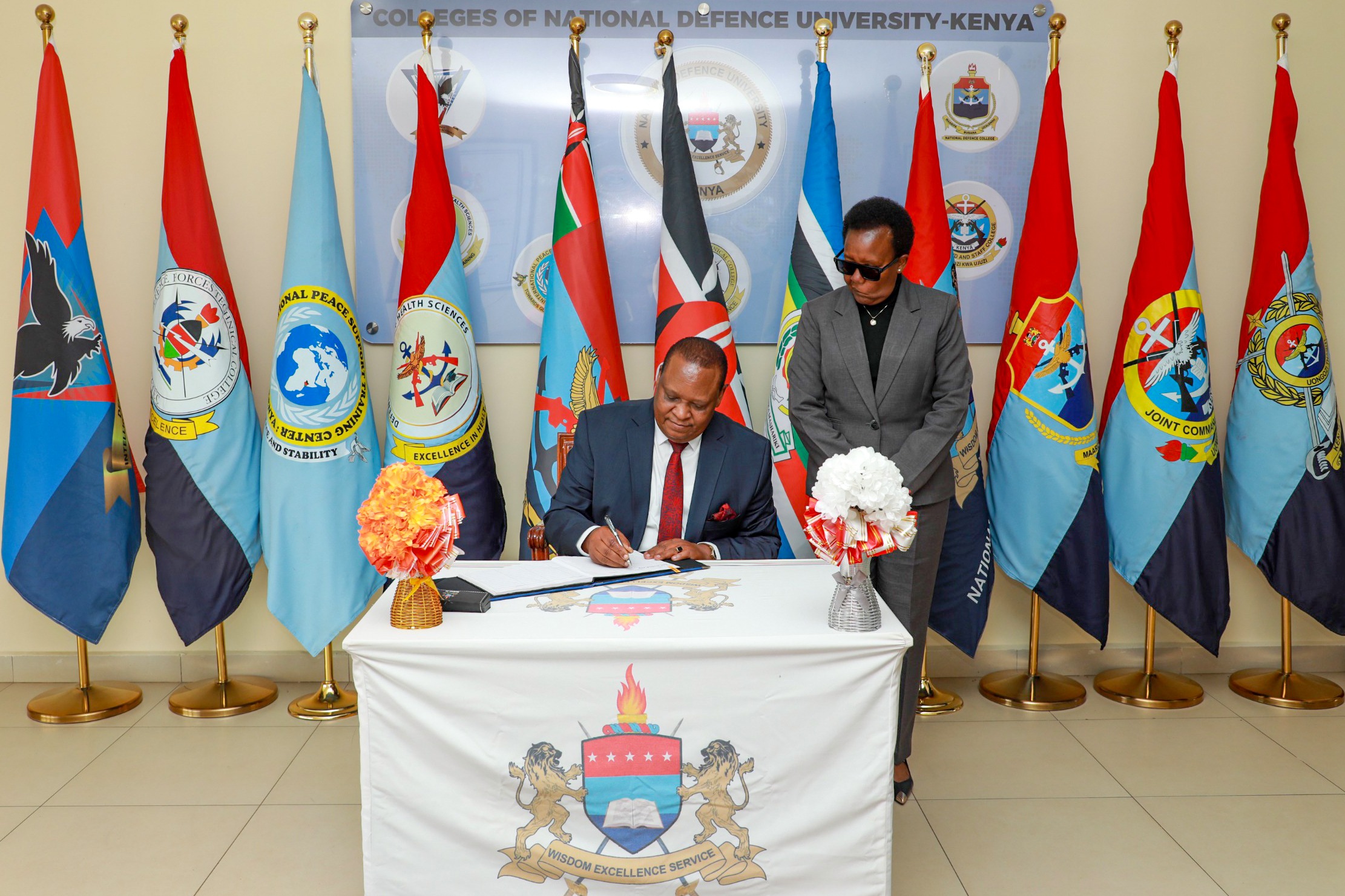
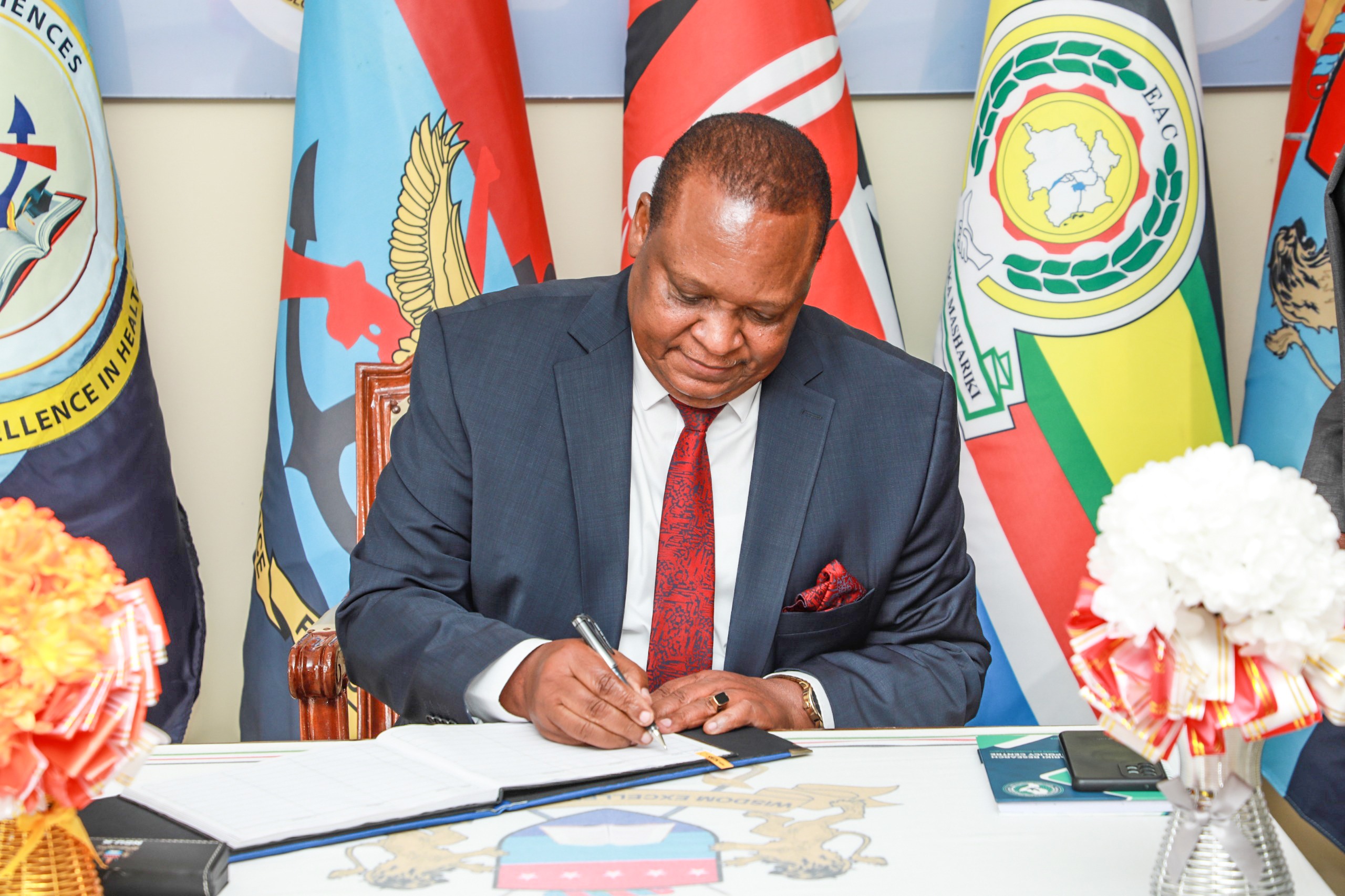
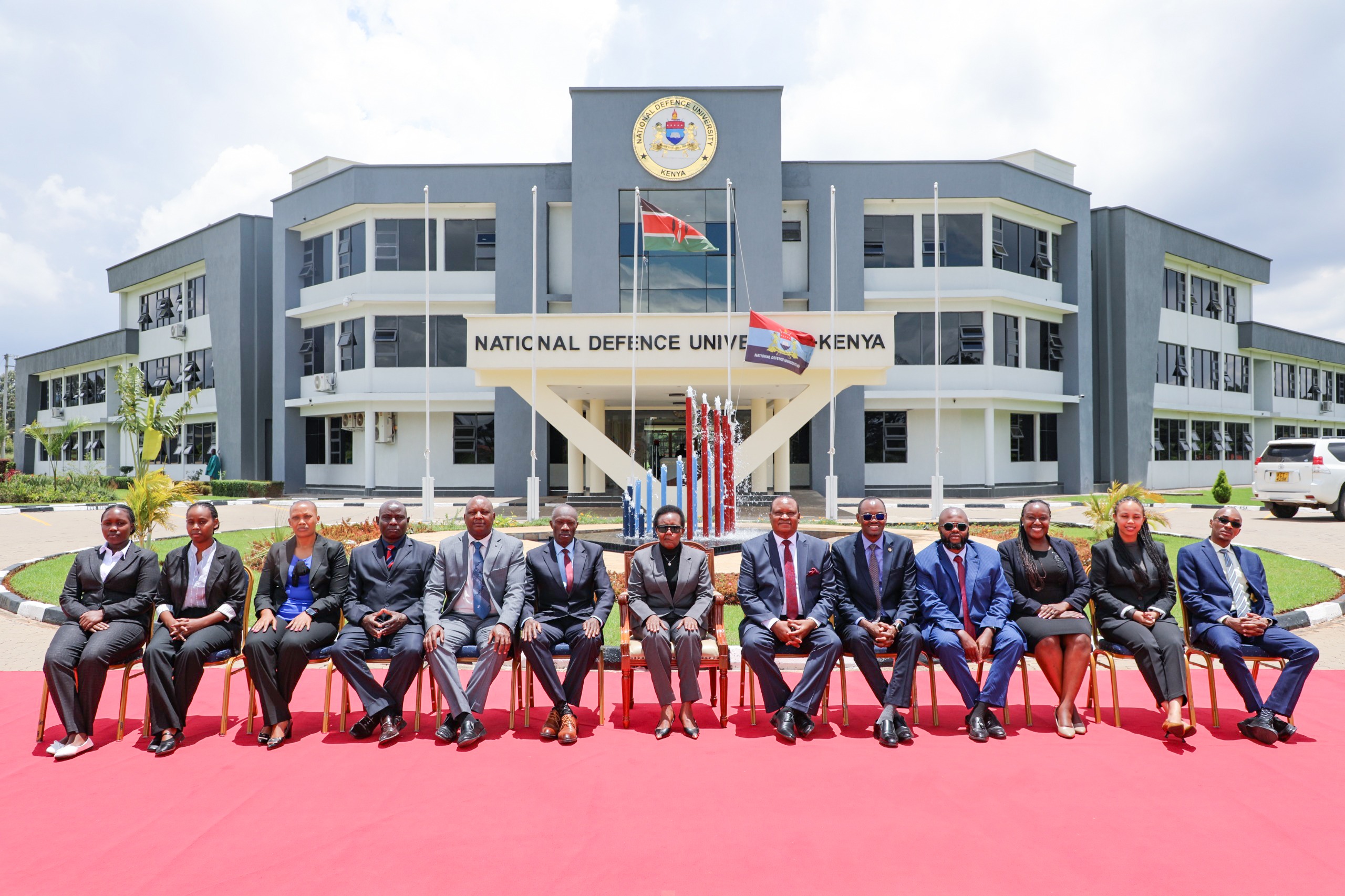
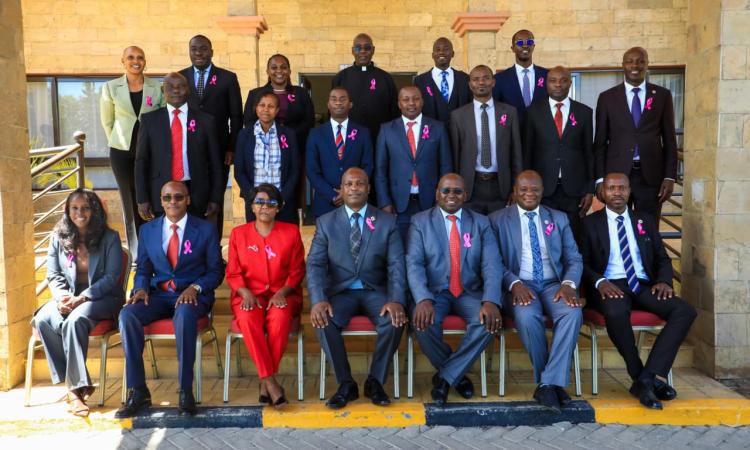
The National Defence University-Kenya (NDU-K) hosted a delegation from the Mashariki Research and Policy Centre (MRPC) for a high-level strategic engagement aimed at strengthening collaboration in research, policy development, and capacity building.
The engagement provided a platform for both institutions to exchange insights and best practices that have contributed to their respective achievements. Discussions centred on enhancing joint research initiatives, expanding knowledge exchange programmes, and strengthening policy dialogue platforms to promote informed decision-making and sustainable development.
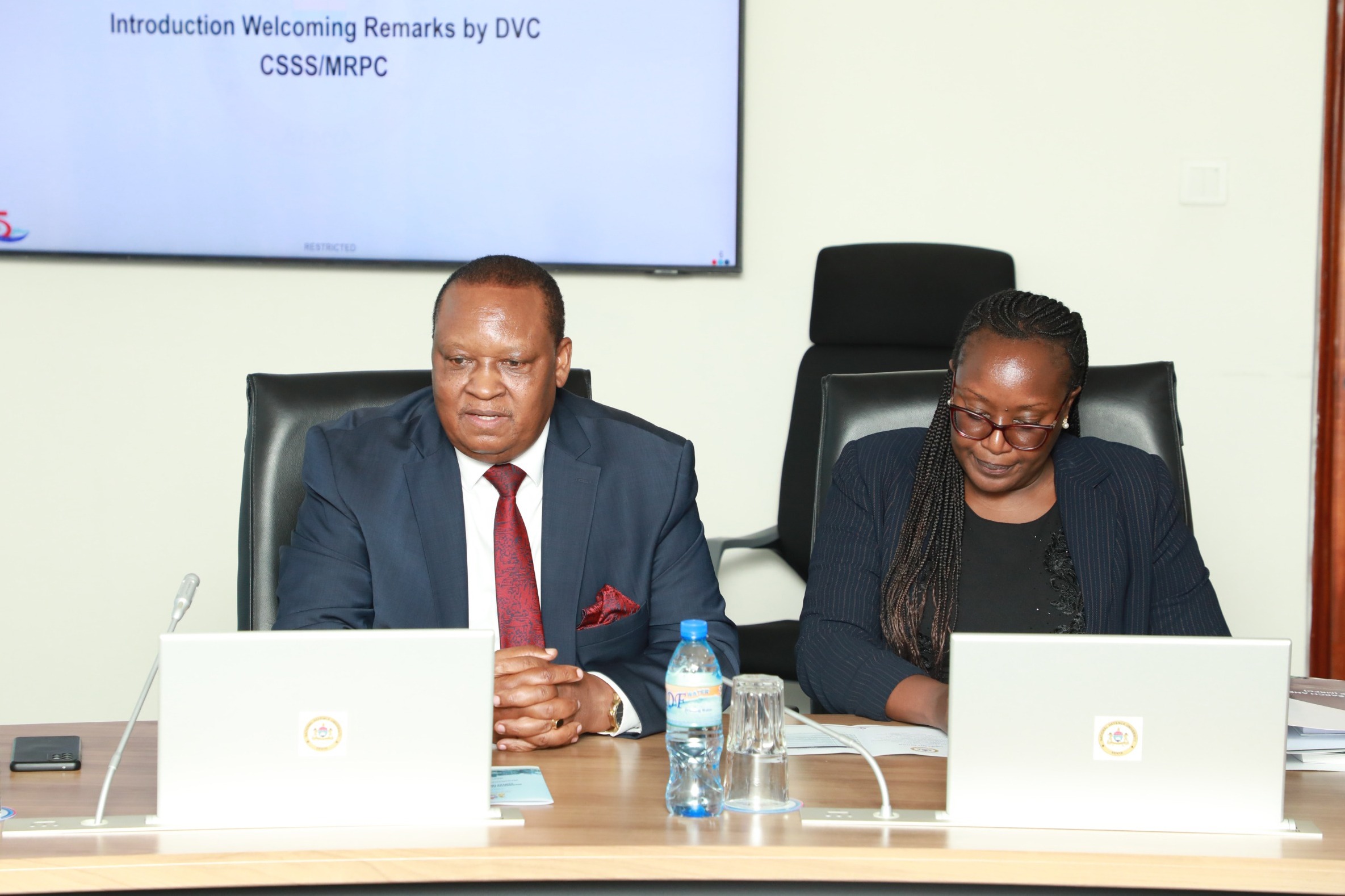
Speaking during the meeting, Major General Joyce Sitienei, Deputy Vice-Chancellor in charge of the Centre for Security and Strategic Studies (CSSS) who also represented the University Vice-Chancellor, Lieutenant General David Tarus, stated that the rapidly evolving security environment necessitates strong, sustained partnerships between academic and research institutions, and policy organizations.
She emphasized that collaboration with reputable research and policy centres enhances intellectual capacity, promotes innovation, and strengthens the development of forward-looking strategies to effectively respond to emerging and complex threats.
The Deputy Vice-Chancellor reaffirmed NDU-K’s unwavering commitment to fostering strategic partnerships that enhance academic excellence, strengthen institutional capacity, and contribute meaningfully to national and regional stability and development.
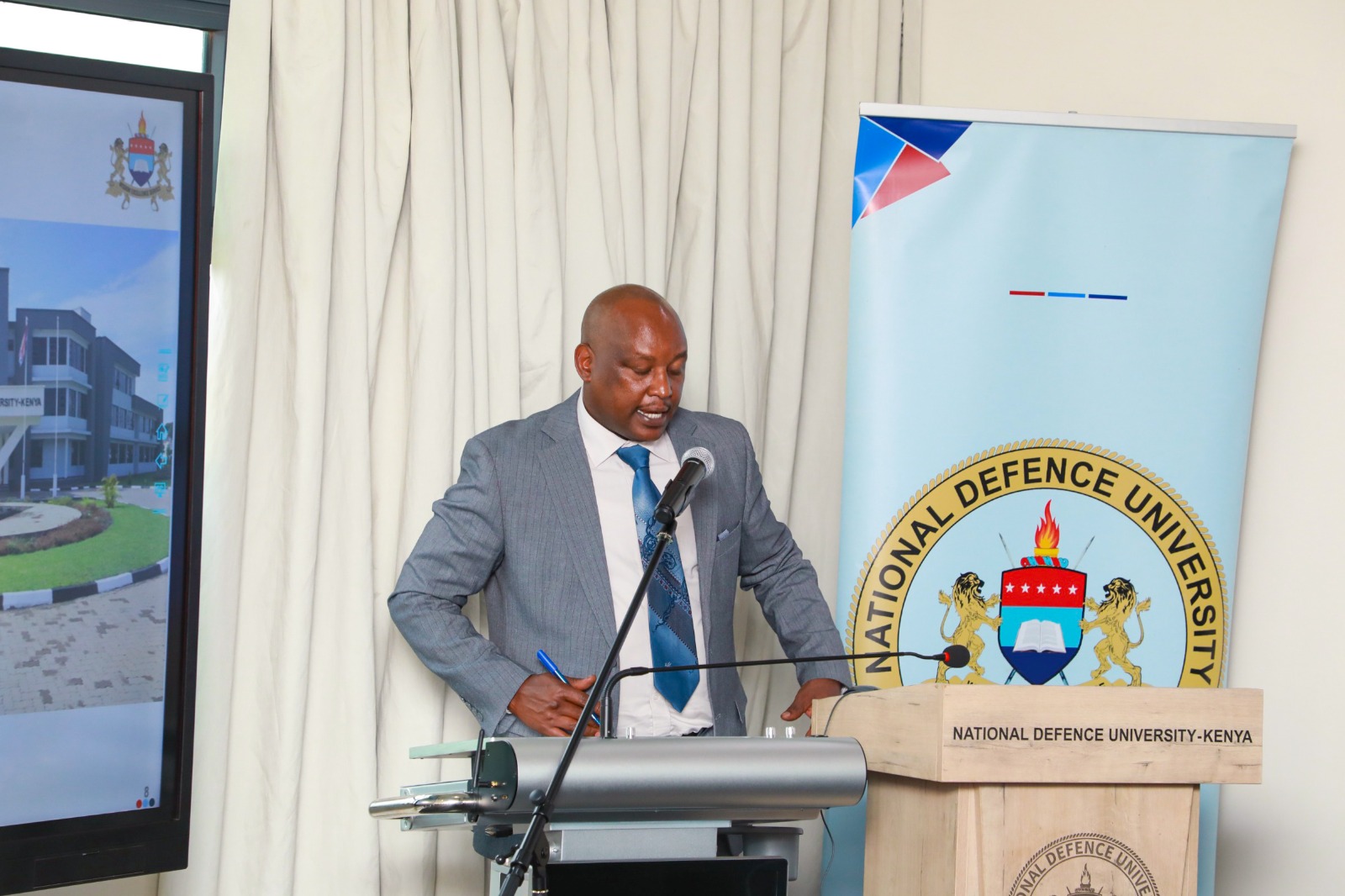
Brigadier (Rtd) Dr. Robert Kabage, the MRPC Chief Executive Officer who led centre’s delegation reiterated that the visit was intended to explore and formalize potential areas of collaboration between the two institutions. He noted that the proposed partnership would serve as a valuable platform for advancing evidence-based policy formulation, particularly in the areas of security studies, leadership, and strategic affairs.
Proposed areas of collaboration include consortium, consultancies, co-hosting of dialogue programmes such as symposiums and conferences, product dissemination, joint research and project bidding and publications.
The strategic engagement reaffirmed the shared commitment of both institutions to promote structured collaboration, continuous engagement, and strategic thought leadership in support of sustainable peace, security, and development.