NDU-K RESEARCH VALIDATION WORKSHOP EXAMINES EMERGING SECURITY AND CLIMATE CHALLENGES
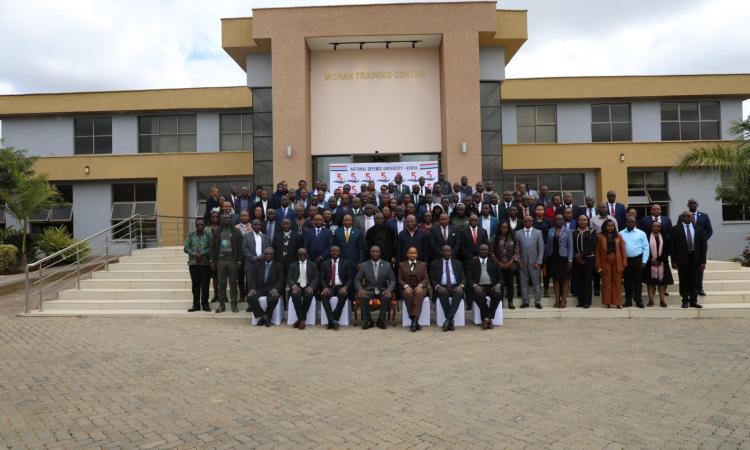
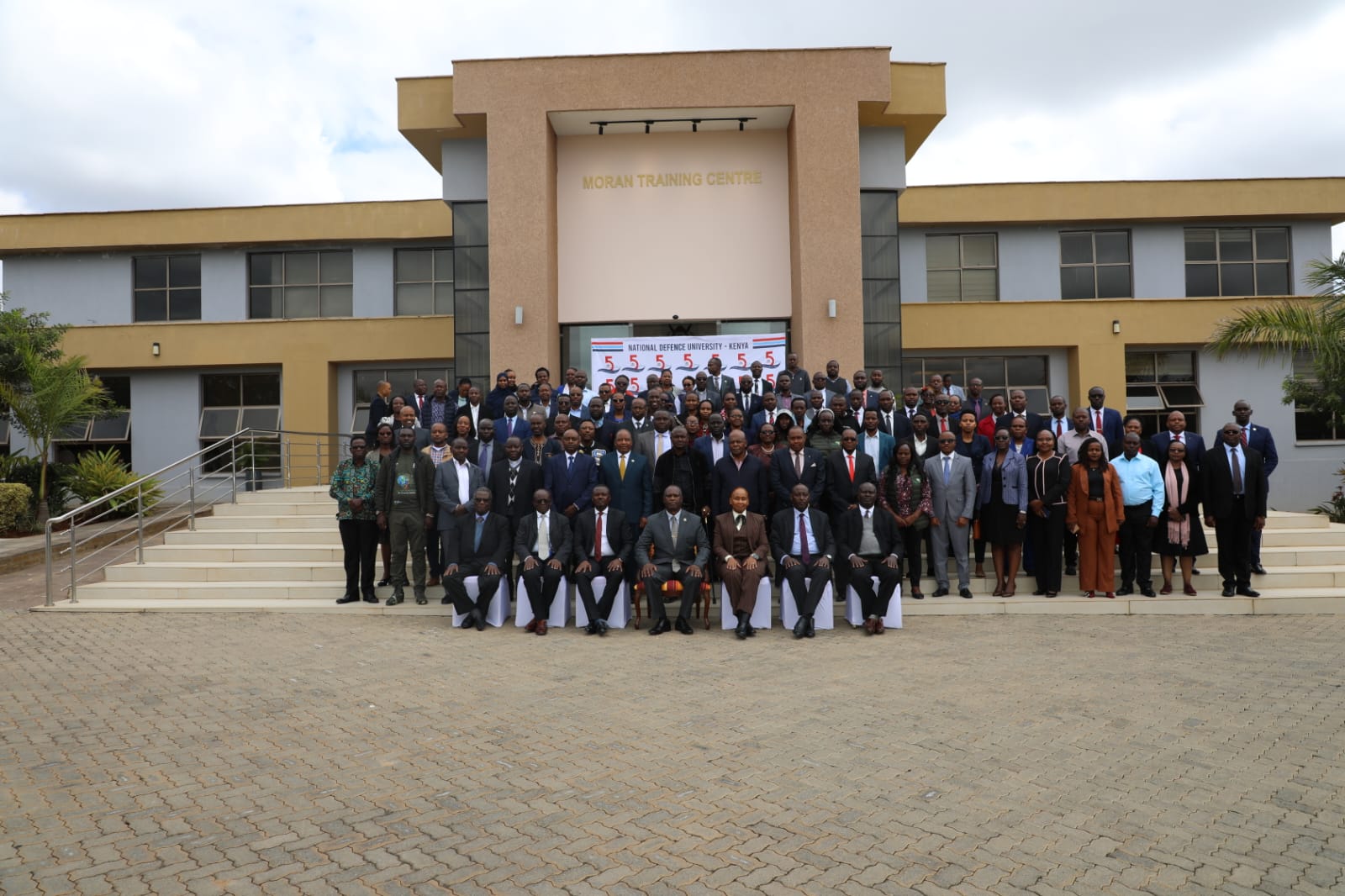
Emerging security vulnerabilities within Kenya’s rapidly expanding boda-boda transport sector and the growing security implications of climate change were at the centre of discussions as the National Defence University-Kenya (NDU-K) convened a research validation workshop at the Moran Centre, Nairobi.
The workshop brought together scholars, policymakers, security practitioners, government agencies and other stakeholders to critically examine two studies addressing contemporary national security and climate-security challenges. The studies focused on The Boda-Boda Informal Transport Sector and National Security in Kenya and The Kenya Defence Forces’ (KDF) Involvement in Climate Change Interventions through the Environmental Soldier Programme.
The forum provided a platform for researchers to present the objectives, key themes, findings and recommendations of the studies, followed by plenary and seminar discussions that drew on diverse professional and institutional perspectives. The discussions interrogated the research findings, examined their implications for national security and institutional practice, and proposed areas for strengthening the reports and their recommendations.
Addressing the participants, NDU-K Vice-Chancellor, Lieutenant General David Tarus, reaffirmed the University’s commitment to producing research that goes beyond academic reporting to generate actionable knowledge capable of informing policy, strengthening institutions, supporting evidence-based decision-making and addressing contemporary defence, security and development challenges.
Lieutenant General Tarus underscored the importance of research that responds to emerging and complex national security challenges, noting that NDU-K’s role as a university and national think tank is anchored in generating strategic knowledge that can contribute to informed decision-making and strengthen the connection between research, policy and practice.
During the discussions on the boda-boda sector, participants examined its growing socio-economic significance, particularly its contribution to employment, livelihoods and access to transport services across the country. The sector’s rapid expansion was discussed alongside concerns relating to regulation, security, institutional coordination and community engagement.
Participants noted the need for approaches that address security vulnerabilities within the sector without undermining its contribution to livelihoods and national development. The discussions also highlighted the importance of collaboration among relevant government agencies, security actors, local communities and sector stakeholders in developing appropriate and sustainable interventions.
The climate-security study generated discussions on the increasingly interconnected nature of environmental, development and security challenges. Participants examined how climate-related pressures can contribute to resource competition, displacement, disaster risks and vulnerabilities affecting communities and national resilience.
The plenary further explored the role of the Kenya Defence Forces in climate change interventions through the Environmental Soldier Programme, including its contribution to environmental protection, disaster response and broader national resilience. Discussions also considered how such engagements are influencing the evolving role of defence institutions and their contribution to addressing emerging non-traditional security challenges.
The two studies generated broader reflections on the need for security institutions and policymakers to anticipate emerging risks and adopt integrated, evidence-based approaches to national security. Participants emphasised the value of sustained research, inter-agency collaboration and knowledge exchange in developing responses that are both context-specific and forward-looking.
The validation workshop reaffirmed the importance of linking research with policy and practice, while strengthening NDU-K’s contribution to strategic thought, knowledge generation and evidence-based decision-making in support of Kenya’s national security and development priorities.