NDU-K ADVANCES EVIDENCE-BASED POLICY THROUGH RESEARCH ON FAKE NEWS AND DISINFORMATION
At the National Defence University-Kenya (NDU-K), research is anchored on evidence, informed by emerging national and global trends and geared towards advancing strategic policy for national development. Through rigorous empirical research, the University generates knowledge to inform decision-making, strengthen policy development and provide practical responses to complex security, governance and development challenges.
This commitment was demonstrated through an engagement with the State Department for Broadcasting and Telecommunications on fake news, misinformation and disinformation and their implications for governance in Kenya. The engagement provided a platform for NDU-K to present and discuss a policy brief developed from its empirical research and explore mechanisms for translating its findings and recommendations into practical policy and institutional interventions.
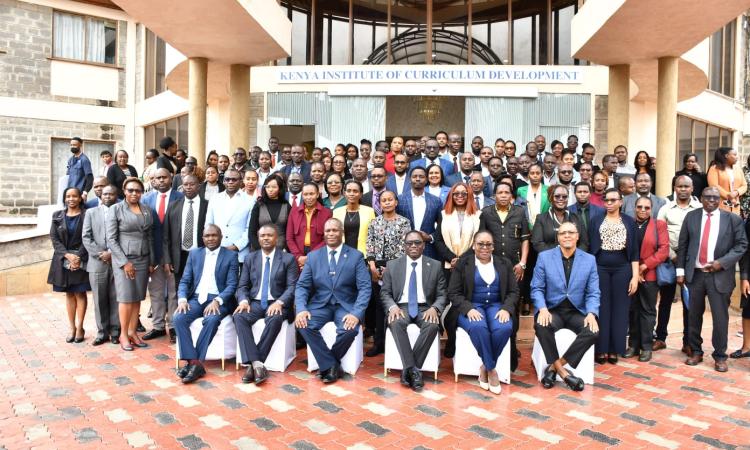
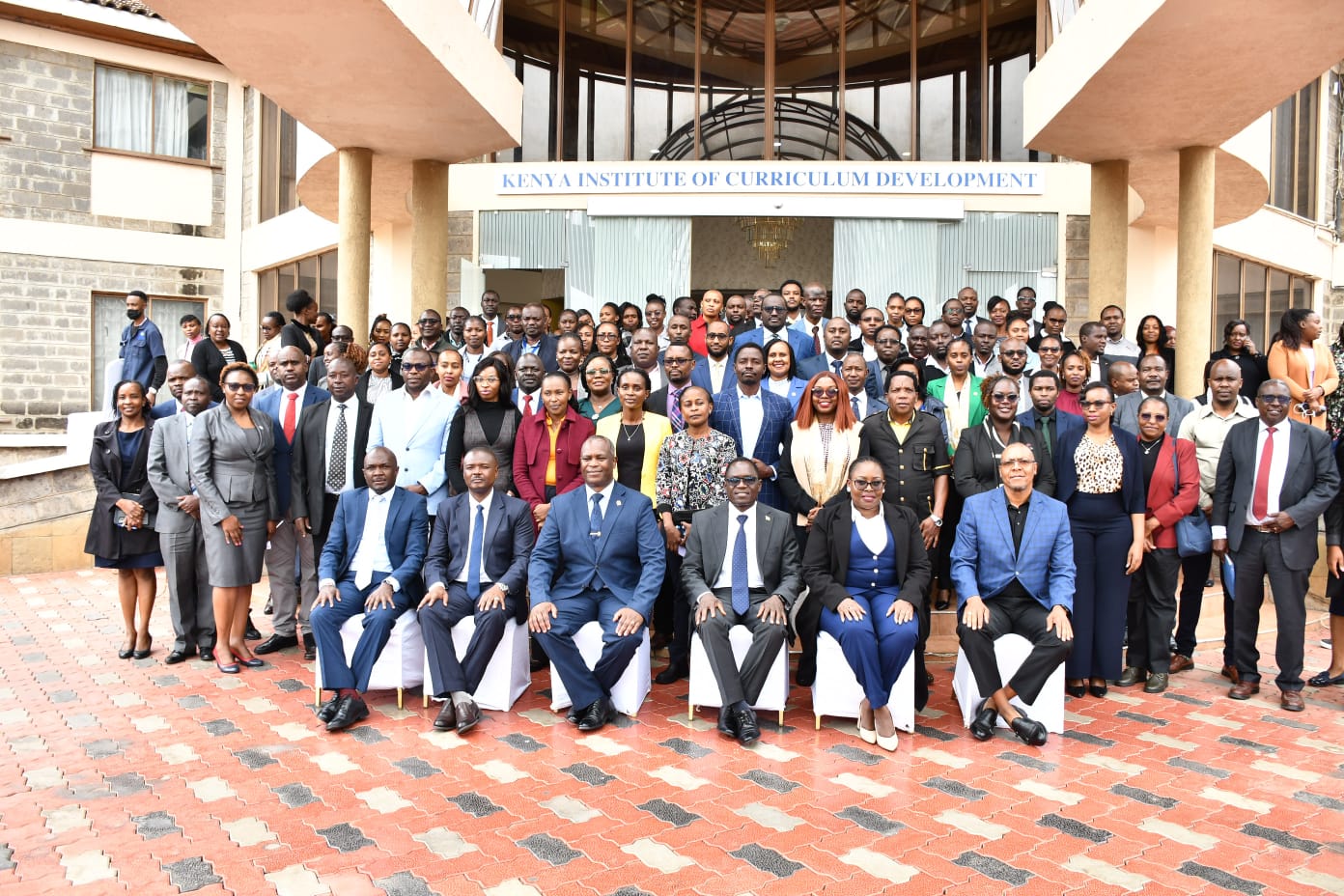
Hosted by the Principal Secretary, State Department for Broadcasting and Telecommunications, Mr. Stephen Isaboke, and held at the Kenya Institute of Curriculum Development (KICD), the engagement brought together more than 250 Government Communication Officers to examine the evolving information environment and identify areas for policy action and collaboration.
The research was undertaken pursuant to a directive by His Excellency Dr. William Ruto, President of the Republic of Kenya, Commander-in-Chief of the Defence Forces, and Chancellor of NDU-K, tasking the University to undertake two studies on emerging national challenges. The directive resulted in two studies, one examining femicide in Kenya and the other focusing on the place and impact of fake news, misinformation and disinformation on governance. The findings of the studies were subsequently translated into policy briefs for dissemination to relevant Ministries and State Departments to facilitate consideration of the recommendations and inform appropriate policy and institutional action.
Speaking during the engagement, NDU-K Vice-Chancellor, Lieutenant General David Tarus, emphasised the importance of strengthening the link between research and policy to ensure that evidence generated through research translates into practical interventions and measurable outcomes.
He noted that the rapidly evolving information environment presents both opportunities and challenges, with digital technologies and social media enhancing access to information and public participation while also enabling the rapid spread of false, misleading and deliberately manipulated content. Such information can undermine public trust, social cohesion, democratic processes and national security.
Lieutenant General Tarus observed that addressing fake news, misinformation and disinformation requires a coordinated, whole-of-government and multi-stakeholder approach supported by continuous research, policy innovation, public awareness, digital literacy, media responsibility and appropriate institutional responses.
“The critical questions are: What needs to be done? Who needs to do it? And how will progress be measured?” he posed, emphasising the need to ensure that research findings move beyond reports and policy briefs to inform concrete action.
The Vice-Chancellor reaffirmed NDU-K's commitment to supporting the implementation process through research evidence, technical expertise and intellectual support, while underscoring the important role of the State Department in advancing recommendations that fall within its mandate.
The engagement reaffirmed NDU-K's strategic role as a knowledge partner to Government and a centre of strategic thought on emerging security and policy issues. It further demonstrated the University's commitment to ensuring that research goes beyond knowledge generation to inform strategic policy, strengthen institutional responses and contribute to practical solutions to national challenges.