STRATEGIC GROWTH TAKES CENTRE STAGE AS NDU-K SENATE REVIEWS INSTITUTIONAL PROGRESS
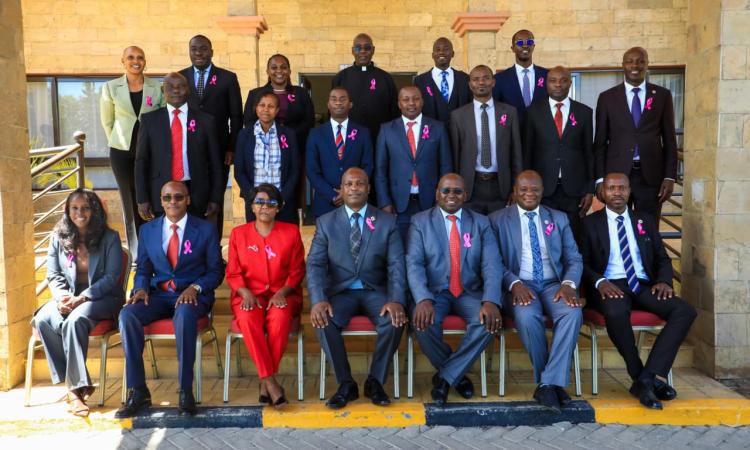
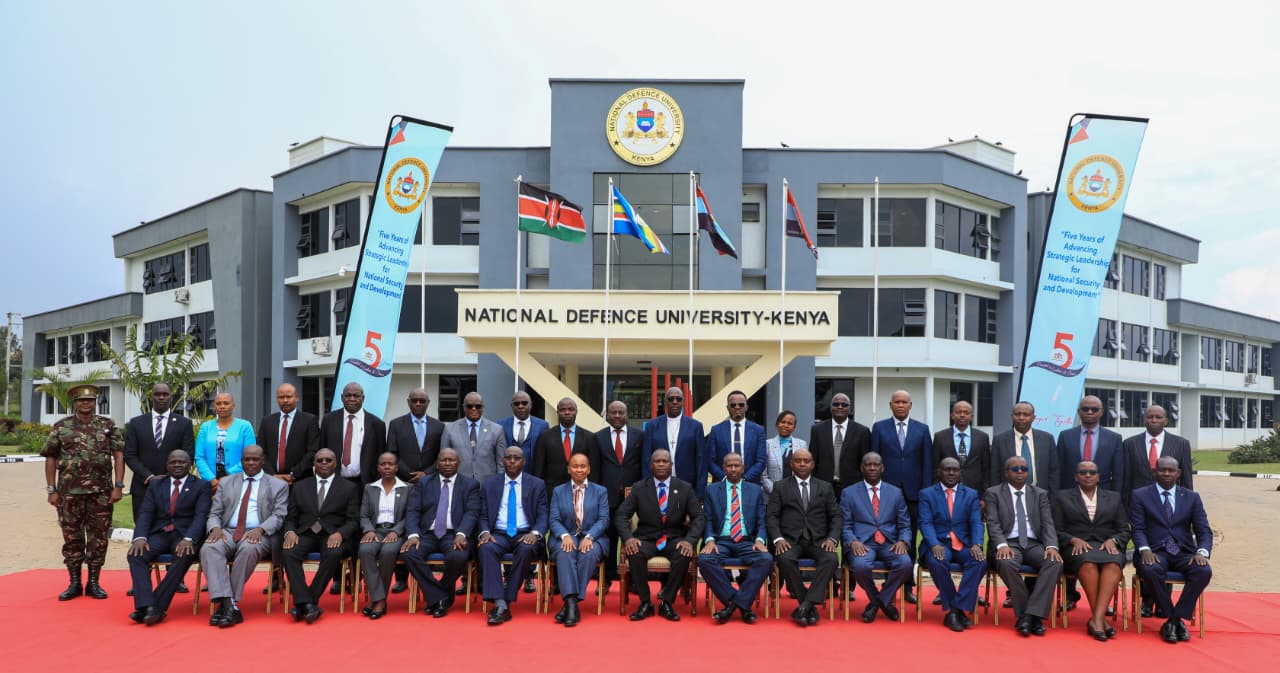
Steady institutional growth, academic excellence, and the effective delivery of the National Defence University–Kenya's (NDU-K) strategic mandate took centre stage during the 19th Regular Senate Meeting (RSM). The meeting reviewed progress across the University's core functions while reaffirming its commitment to developing strategic leaders, advancing impactful research, and strengthening national resilience through quality higher education.
The Senate considered key academic and institutional matters aimed at enhancing programme quality, strengthening research and innovation, expanding strategic collaborations, and improving institutional performance. The deliberations reflected the University's continued pursuit of academic distinction, sound governance, and responsive education that addresses emerging defence, security, and governance priorities.
Chairing the meeting, the Vice-Chancellor, Lieutenant General David Tarus, commended the University Management and staff across the University's colleges for their professionalism, dedication, and unwavering commitment to excellence. He noted that their collective efforts have been instrumental in strengthening NDU-K's standing as a premier centre of excellence in defence, security, and strategic studies, while reinforcing its contribution to national development.
The Vice-Chancellor observed that the University's achievements are anchored on quality teaching and learning, impactful research, effective governance, and prudent institutional management. He emphasized that these foundations continue to drive innovation, strengthen academic excellence, and position the University to respond effectively to evolving national, regional, and global security challenges.
Lt Gen Tarus particularly welcomed the successful onboarding of the National Police Leadership Academy (NPLA) as a constituent college of NDU-K. He noted that the Joint Working Group has commenced the integration process, describing the milestone as a strategic expansion of the University's mandate that will strengthen professional military and police education while deepening collaboration across Kenya's defence and security institutions.
He further commended the University's consistent implementation of its Strategic Plan, Performance Contract, and University Almanac, noting that these institutional frameworks continue to enhance accountability, operational efficiency, prudent resource management, and the timely delivery of academic and administrative priorities.
Among the key agenda items, the Senate reviewed progress in the revision of the Diploma in Kenya Registered Community Health Nursing (KRCHN) programme to ensure its continued relevance and alignment with evolving healthcare needs, professional standards, and national education requirements. The Senate also received updates on strategic partnerships, research initiatives, and scholarly output, highlighting the University's growing role in knowledge generation and its contribution to evidence-informed policy in defence, security, governance, and related fields.
The meeting reaffirmed the Senate's commitment to sustaining NDU-K's trajectory of excellence by strengthening academic quality, institutional effectiveness, and strategic collaboration. As the University continues to evolve, it remains focused on developing visionary leaders, advancing knowledge, and generating innovative solutions that shape policy, strengthen national security, and contribute to regional stability and sustainable development.