NDU-K Advances Education Reform Agenda Through CBE Sensitization Workshop
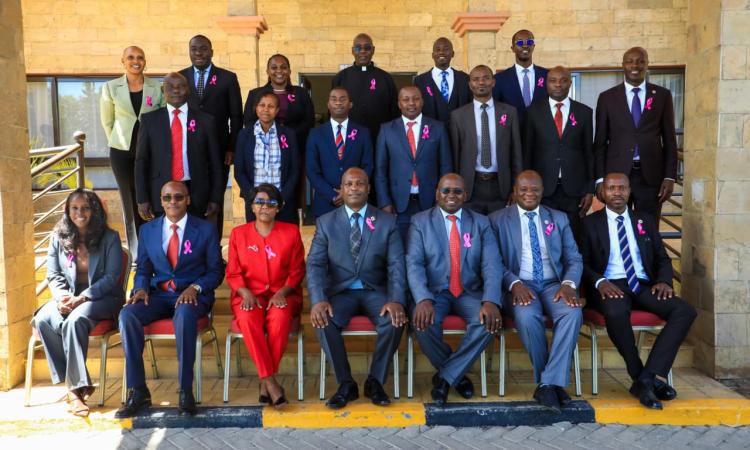
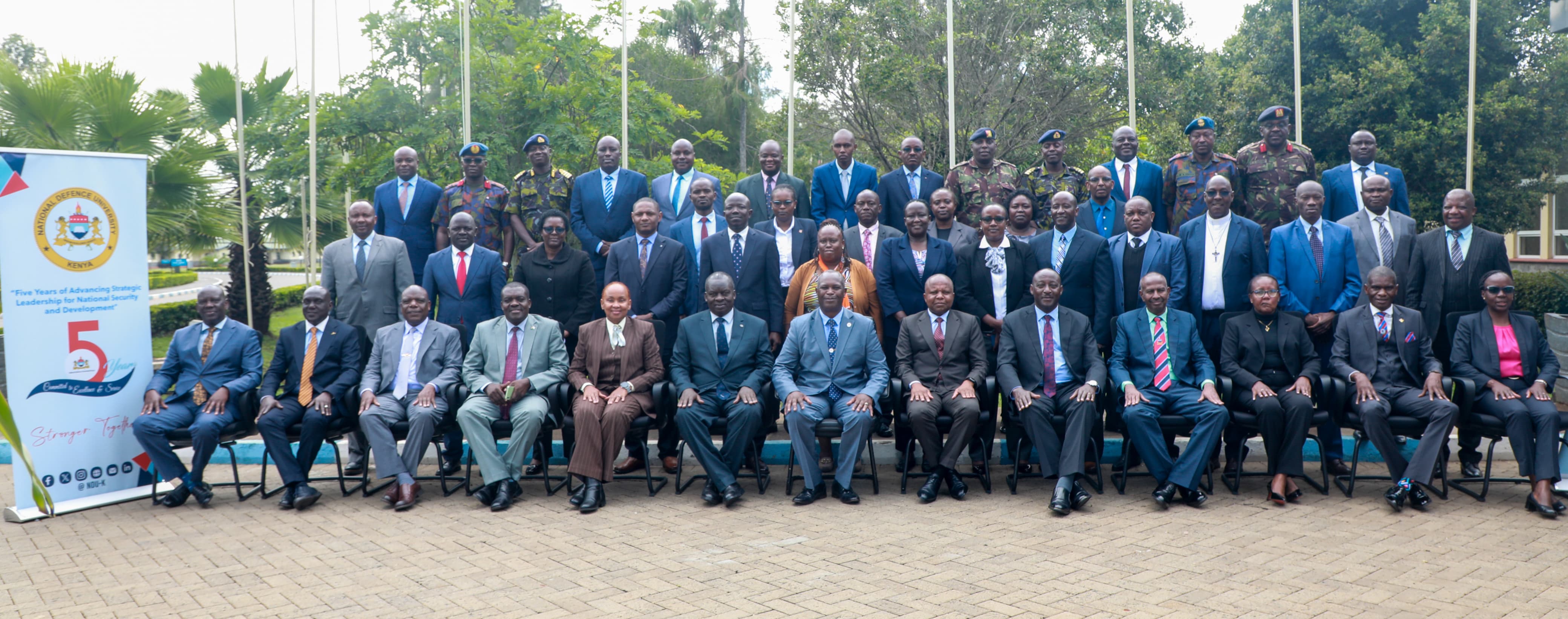
The National Defence University–Kenya (NDU-K) has advanced its education reform agenda through a high-level two-day sensitization workshop on Competency-Based Education (CBE), bringing together senior leadership and management from the Kenya Defence Forces (KDF), the university and its colleges.
Held at the Humanitarian Peace Support School (HPSS) in Nairobi, the workshop aimed to equip top leadership with a clear and practical understanding of the CBE framework. It also sought to expose participants to the principles and requirements of CBE, with the broader objective of realigning curricula and training systems within KDF and NDU-K to meet the demands of the new education model as Kenya continues its transition from the 8-4-4 system to the Competency-Based Curriculum (CBC).
Addressing participants, Vice-Chancellor Lieutenant General David Tarus underscored the urgency of aligning institutional training systems with ongoing national education reforms, noting that higher learning institutions must act decisively and without delay.
“Your presence here is not merely symbolic; it is a clear statement that we are committed to remaining relevant, responsive, and rigorous in our educational practices,” he said.
Lt Gen Tarus observed that the shift to CBE represents one of the most far-reaching education reforms in Kenya’s history. He challenged institutional leaders to ensure their respective formations are adequately prepared for the transition, especially with the first cohort of CBC learners expected to join tertiary institutions in 2029.
He noted that the remaining window for preparation is narrowing, requiring deliberate planning and coordinated implementation across all levels of training and administration.
Also speaking during the workshop, Deputy Vice-Chancellor Academic and Student Affairs, Professor Anne Muigai, emphasized that the engagement marked the beginning of a broader institutional transformation rather than its conclusion. She noted that while the workshop had provided a critical foundation, the real task ahead lies in translating the knowledge gained into practical reforms within KDF formations and NDU-K colleges.
She further indicated that the University will provide structured follow-up support to assist institutions in developing actionable work plans aligned with the CBE framework. Participants were also encouraged to take ownership of the process by actively championing the implementation of CBE within their respective areas of responsibility.
Beyond policy discussions and implementation timelines, the workshop also provided a moment of reflection on existing military training systems. Participants observed that many elements of competency-based learning- such as practical application of skills, performance under pressure, and mission readiness -are already embedded in military training. What is now required is a more deliberate and structured alignment of these strengths with the national education framework.
NDU-K, as the country’s apex institution for national security and strategic studies, is positioning itself to play a leading role in this transition. Aligning military education with CBE is viewed not only as a national requirement but also as an opportunity to strengthen and modernize existing training